Pest Control: Successful Systems to Guard Your Residence and Venture
Pest Control: Efficient Approaches to Protect Your Household and Enterprise
Beginning to Pest Control
Pest Control addresses the supervision or supervision of species categorized as pests – creatures that detrimentally influence human actions or environments. In New Jersey, where varied biological communities converge with suburban and city expansion, effective Pest Control is not only a nonessential but a crucial element for ensuring hygienic residential and professional spaces. From the sprawling neighborhoods of Monmouth County to the cohesive residential areas of Matawan, pest incursions can influence anyone, irrespective of how spotless or properly cared for their property may be.
The importance of applying successful Pest Control tactics cannot be exaggerated. For property owners, pests can damage foundational strength, taint food sources, and establish major health threats. Establishments experience these comparable problems, with the added unease of reputation injury and likely deficit of customers if occurrences are discovered. Ordinary pests in New Jersey include rodents like rats and mice, various invertebrates such as ants, cockroaches, and bed bugs, and the notably detrimental termites that can quietly impair a building's base.
The Rationale Pest Control Is Significant
Health Hazards of Pest Control Methods
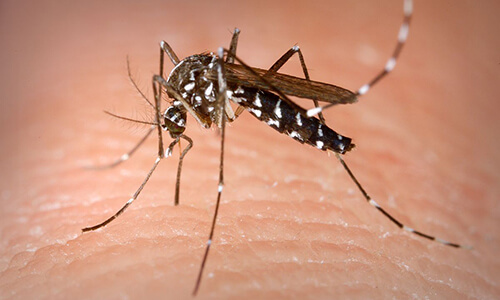
Countless pests carry and transfer illnesses that can harm humans and pets. Small mammals are identified vectors of hantavirus, salmonella, and leptospirosis. Cockroaches can trigger asthma occurrences and hypersensitivity effects, mainly in little ones. Ticks, numerous in New Jersey's wooded areas, are famous for spreading Lyme disease, while mosquitoes can pass on West Nile virus and Eastern Equine Encephalitis. Professional Pest Control aids minimize these health dangers by destroying the basis of these probable disease vectors.
Structure Harm in Pest Control
The framework impairment induced by pests can be vast and costly. Termites solely produce over $5 billion in structure damage annually within the United States, with New Jersey homes being exceptionally exposed due to the state's environmental conditions. Small mammals can munch through electronic wiring, forming fire hazards, while their continuous gnawing can harm weatherproofing, pipes, and timber framework components. Even outwardly inoffensive ants can damage timber structures if permitted unaddressed, particularly carpenter ants which are frequent in Monmouth County.
Fiscal Consequences of Pest Control Services
Disregarding pest issues can produce considerable economic effects. What might begin as a insignificant occurrence requiring easy management can rapidly increase into a serious issue demanding wide-ranging restoration. For companies, especially those in the food service or guest service industries, pest problems can result in unsuccessful health inspections, brief shutdowns, and enduring damage to prestige and consumer reliance. Funding in standard Pest Control is not solely about quick satisfaction—it's a sustained fiscal shield.
Pest Control: Frequent Family and Organization Pests
Small Mammals (Rats and Mice)
When it pertains to detecting rodent infestations in your New Jersey home, awareness is vital. You perhaps perceive dung near food reserves, in cabinets, or below sinks. Chew marks on food containers, wooden materials, and electrical cables are revealing evidence of their presence. At night, you may hear abrasive rackets in partitions, roofs, or below floors as these evening animals get lively. If you locate habitats formed from tattered stationery, material, or dehumidified plant stuff, that's a clear indication rodents have constructed themselves home. Slimy rub marks next to baseboards and dividers show up as rodents apply the matching paths frequently, while your pets may exhibit strange manner such as barking or scratching at regions below equipment or pieces where rodents shelter.
Vermin in New Jersey homes and enterprises pose many threats beyond only irritation. They can contaminate food and creation surfaces with germs residing in their pee and stools. Their incessant need to munch can ruin items, particularly wiring, which generates fire dangers. In Matawan and encompassing locations, the Norway rat and house mouse are remarkably difficult, blooming in both built-up and suburban environments. Effective Pest Control methods are necessary to deal with these devastating trespassers.
Creepy Crawlies (Ants, Cockroaches, Bed Bugs)
Bug invasions manifest themselves in assorted modes contingent on the type. Ant problems turn noticeable when you notice visible ant tracks directing to food supplies, or when you locate minor heaps of dirt or wood fragments created by carpenter ants. Cockroach outbreaks often present themselves through dark excrement similar to coffee grounds or black pepper, a distinctive damp aroma that penetrates overrun areas, and the existence of egg envelopes in obscured corners. Bed bug difficulties show up as rust-colored speckles on mattresses and pieces, shed skins near resting areas, microscopic blood marks on sheets, and itchy red swellings on skin typically arranged in a succession or group.
Arthropods symbolize the most multifarious classification of pests in New Jersey. Cockroaches can trigger asthma and allergies while transmitting multiple bacteria. Bed bugs, while not disease transmitters, generate appreciable distress, sleep hindrance, and sentimental torment. Various ant varieties, like carpenter ants common in Monmouth County's forested zones, can inflict foundational damage equal to termites over time. Trained Pest Control firms can determine certain insect classes and apply aimed treatment methods that deal with the unique behaviors and exposures of each pest.
Termites
Identifying termite existence rapidly demands grasping the delicate indicators of their presence. You may detect shed wings near casements and portals after swarmers have discovered a mate and set up a new community. Mud tubes on outer sides, wood beams, or in crawl spaces work as secured highways for these devastating bugs. Wood that rings vacant when knocked signals termites have been eating from within. Doors and windows that quickly bond may signal distorting from termite injury, while split or swelling paint similar to water impairment often masks termite movement below. Locating frass—termite feces resembling minuscule wood-colored granules—offers another confirmation of their unwelcome being.
Termites form perhaps the most substantial skeletal risk throughout all prevalent pests. In New Jersey, the Eastern subterranean termite is abundant and especially devastating. These arthropods can linger undetected for years while causing widespread damage to wood architectural sections. Homes in Matawan and throughout all of Monmouth County, mainly older dwellings, are at risk to termite outbreaks. The mean charge of term pest control.
Pest Control Safety Considerations
Proper Use of Products and Products in Pest Control
As pesticides become necessary in your pest control plan, focusing on safety demands consideration to multiple critical methods that defend persons, pets, and the surroundings. Continuously examine and observe product guidelines precisely, as these legal instructions demonstrate extensive evaluation and governmental evaluation designed to limit risks. Use the smallest successful volume of product to achieve management while reducing excess product introduction into your home space. Administer products only in zones designated on the product instructions, eliminating unauthorized treatments that may cause unexpected dangers or lower efficacy. Use correct safeguarding apparatus as specified by product producers to stop personal contact during application. Maintain products in their factory packages with labels intact to preserve availability to protection information and prevent confusion. Keep complete logs of all uses, documenting products used, dilution levels, locations treated, and times of treatment for later reference. Ensure sufficient curing and ventilation before reoccupying serviced spaces, specifically crucial in New Jersey's weather where dampness can impact setting times. Evaluate less-toxic substitutes when successful, as developments in pest management have created many lower-toxicity solutions that retain effectiveness while decreasing likely risks.
Safeguarding Pets and Young ones During Pest Control Applications
Particular steps turn necessary when performing pest control steps in households with at-risk household occupants. Relocate animals throughout application and until spaces are dry to prevent close exposure with damp products or fumes that could produce harmful responses. Protect or move pet meals, water bowls, and items before treatment to stop pollution that could lead to accidental ingestion. Keep children's toys away from application locations, especially items that small children might put in their mouths. Wash and sanitize meal preparation areas after treatment, even if they weren't specifically serviced, to get rid of any leftovers that might have accumulated during treatment. Maintain children apart from applied spaces for the specified time, lengthening this duration for crawling toddlers who have more close exposure with ground and low surfaces. Examine non-toxic to pets and child-safe substance options when accessible, as many recent chemicals focus on particular pest anatomy while decreasing human toxicity. Most importantly, tell professional technicians about the existence of animals, young ones, or pregnant family occupants before they create service strategies, enabling them to adjust methods and substance choices appropriately.
Regulatory Standards and Conformity with Pest Control
Pest control in New Jersey works within a legal system intended to safeguard community health and the environment while maintaining successful pest elimination. The New Jersey Department of Environmental Protection supervises pest elimination operations, demanding qualified pest management firms to fulfill certain criteria. Organizations must utilize certified professionals who have cleared government examinations showing proficiency in pest science, treatment methods, and safety guidelines. These organizations must preserve correct insurance protection defending both their applicators and their patrons from likely injury or harm connected with pest elimination activities. Rigid rules regulate pesticide warehousing, movement, and discarding to avoid environmental pollution and unauthorized entry. Experts must provide Safety Data Sheets upon demand, recording the properties and dangers of substances employed in services. Alert standards apply for particular applications, specifically in apartment buildings or commercial locations with multiple residents. Complete application records must be upheld, forming an audit path of pest elimination procedures. Also, only products licensed for employment in New Jersey may be officially applied, making certain that regional ecological situations and environments have been examined in the permission procedure. For business properties in Matawan and throughout Monmouth County, supplementary requirements may be relevant relying on the industry, particularly for dining industry, healthcare, and child care facilities where pest management intersects with other general wellness considerations.
Green Pest Control Alternatives
Unified Pest Control (IPM) Strategy
Comprehensive Pest Management embodies the top measure in modern pest control, concentrating on lasting prevention through a combination of techniques that minimize environmental impact while maximizing success. The IPM method begins with detailed evaluation and observation to pinpoint pest pressure correctly, setting up baseline details about kinds found and quantity sizes. This results in accurate recognition of pest types, ensuring elimination efforts target individual behaviors and exposures rather than applying general methods. Practitioners establish level quantities that require intervention, recognizing that the plain existence of a handful of creatures doesn't inevitably need intervention if quantities persist less than destructive thresholds. When intervention turns necessary, IPM uses multiple management methods in unity, usually initiating with low-impact strategies and escalating only when necessary. Throughout the process, professionals assess efficiency and change approaches pest control service as needed, building a flexible system adaptive to varying environments. Most significantly, IPM highlights deterrence over elimination, tackling building and ecological elements that encourage pest numbers rather than only eliminating active creatures. Many pest control firms in New Jersey provide IPM-based solutions that coordinate with the region's effort toward minimal-impact pest management approaches, particularly in delicate settings like schools, health establishments, and nutrition production centers.
Natural Treatment Methods
Productive pest control often integrates non-chemical strategies that can solve or decrease pest issues without bringing chemicals into the ecosystem. Structural barriers such as filters, door seals, and closing stop pest invasion completely, tackling the issue at its beginning. Mechanical devices like catches and prevention devices eliminate existing insects while preventing fresh entries. Organic methods containing helpful bugs and microbes introduce biological opponents that aim at specific creatures while preserving helpful creatures protected. Behavioral methods alter the conditions to discourage pests, such as adjusting irrigation timing to decrease dampness that brings certain insects. Habitat modification decreases shelter and feeding sources, making areas less hospitable to unwanted visitors. For certain creatures like bedbugs, thermal treatments deliver highly successful treatment without toxic traces by elevating temperatures past the thermal fatal limit for all living stages of the specific pest. Similarly, cold procedures for warehoused product organisms like grain insects or kitchen moths can destroy issues in consumable products without chemical contamination. These approaches establish especially valuable in New Jersey's diverse environments, where closeness to marine sources, conserved ecological areas, and thick urban centers produces many conditions where pesticide decrease grows desirable or needed.
Green Pest Control Treatment Methods
The pest control industry maintains to progress toward additional sustainable methods that keep performance while decreasing natural impact. Organic chemicals extracted from natural extracts like chrysanthemum extract, neem oil, and aromatic essences offer targeted elimination with minimized lasting power in the nature. Biological agents having bacteria, fungi, or viruses that attack specific pest organisms provide specificity that traditional universal substances are unable to match. Development regulators that prevent pest reproduction by interfering with developmental phases supply sustained population reduction without immediate harmful consequences on mature creatures. Scent tools that monitor or interrupt pest pairing assist identify when intervention becomes necessary and can stop procreation in some varieties. The business increasingly embraces lower-risk substances with limited environmental footprint, changing apart from older formulations with greater effects on secondary species. Accurate delivery equipment that reduce overall chemical use apply services specifically where needed rather than scattering chemicals throughout broad spaces. Environmental qualification programs for pest treatment organizations create criteria for naturally better care and provide consumers with distinct labeling of companies pledged to eco-conscious procedures. In naturally critical locations of New Jersey, featuring parts of Monmouth County with distance to marine bodies, these green methods are especially important for protecting both personal safety and natural environments while nonetheless providing effective pest control.
Finding a Local Pest Control Service Provider in New Jersey
Capitol Exterminating System
272 NJ-34
Matawan, NJ 07747
(732) 441-1900
Commonly Asked Inquiries (FAQs) about Pest Control
How commonly should pest control be conducted?
For most New Jersey houses, quarterly pest control provides adequate defense against recurring pest threats. This routine corresponds with the region's different cycles, each generating different pest issues that demand preventive attention. Early season applications generally handle developing ant communities and overwintered organisms getting energetic. Summertime applications center on mosquitoes, parasites, and different flying insects that prosper in hotter conditions. Fall procedures prepare houses for rodents and sheltering organisms pursuing shelter as temperatures decrease. Cold season applications sustain security against indoor creatures while handling rodent problems at its greatest. Though, this schedule may increase for properties with individual risk factors or ongoing issues that demand additional thorough treatment. Homes close to tree-covered areas in Monmouth County may benefit from extra tick and mosquito procedures across high cycles. Properties with past of particular pest troubles regularly demand specific secondary applications over the standard quarterly schedule. Business establishments, particularly dining business establishments in zones like Matawan, frequently need every month attention to preserve compliance with health rules and prevent problems that could hurt standing and business processes.
Is expert pest control secure for animals?
When executed properly, specialist pest control can be harmless for companions through deliberate chemical choosing and application approaches that decrease contact. Contemporary targeted employment methods and safer products have significantly improved wellness characteristics relative to traditional pest treatment approaches. Recent procedures regularly employ products especially developed to have limited toxicity to animals while staying effective against designated pests with distinct body systems. Expert technicians acquire training in application procedures that place chemicals in zones pets are unable to enter, such as wall gaps, cracks and gaps, or behind machines. Though, pets should be taken away throughout service and until all applications have dried entirely, following certain delay durations suggested by the product producer and specialist. Aquarium containers should be enclosed and oxygen devices turned off throughout application to eliminate exposure from floating debris. Pet belongings featuring beds, playthings, and feeding containers should be moved or protected while performing treatment. Talk about any worries with your pest control service, who can recommend proper waiting intervals depending on the particular treatments applied and adapt techniques for residences with specifically vulnerable animals like avians or cold-blooded animals that may have different biological weaknesses than cats and dogs.
What are the symptoms of a serious pest problem?
Besides visible creatures personally, numerous alert symptoms indicate possibly major invasions demanding immediate pest control action. Odd smells often develop with big issues – moldy, fatty odors may suggest rodents, while pleasant, almond-like odors at times follow German cockroach colonies. Unknown building harm like sinking surfaces, bubbling coating, or breaking lumber may show termite presence or wood-boring ant problems harming support components. Odd sounds within walls or roof areas, specifically at dark, frequently show rodent movement as these dark-active organisms get active in secret spaces. Abundant dust appearing as tiny debris around lumber parts may truly be waste or excrement from timber-damaging creatures. Some residences experience unknown physical troubles like breathing issues or discomfort that disappear when absent from residence, possibly showing insect invasions impacting indoor atmosphere standard. In New Jersey homes, special care should be directed to cellar and under-floor areas where moisture problems can support pest communities, specifically in aged residences throughout Monmouth County where foundation cracks and deteriorating binding offer multiple access spots. Locating many expired insects of the identical kind indicates a greater population nearby, while fat stains around baseboards reveal established small mammal trails with ongoing movement.
Can I eliminate insects without pest control products?
Indeed, many organisms can be eliminated through suitable sanitation, barrier methods, and environment change without resorting to chemical treatments. The base of alternative pest control begins with comprehensive exclusion procedures – blocking openings, holes, and holes that enable organisms to penetrate buildings in the beginning position. Placing door barriers, repairing deteriorated screens, and closing infrastructure penetrations removes common penetration places. Getting rid of feeding resources through suitable edible keeping in secure receptacles, immediate elimination of messes and crumbs, and frequent refuse disposal considerably reduces lures that pull creatures inside. Minimizing humidity by repairing leaking water lines, improving air movement in humid spaces, and dealing with drainage problems stops the liquid origins many insects require. Maintaining a separation region near buildings by pruning vegetation, taking away organic debris, and keeping wood lifted and apart from buildings minimizes hiding locations and penetration places. Utilizing solid blockades like metal screen or steel stuffing to block wider holes offers permanent barrier protection for small mammals and rodents. Frequent cleaning that contains vacuuming openings and crevices removes creature larvae and food particles that encourage pest reproduction. For active invasions, though, some form of management material may be essential to address established troubles, though various minimal-impact choices are offered featuring diatomaceous earth, boric substance, and insecticidal solutions that supply decreased hazard against standard products.
What should I look forward to during professional pest control service?
A professional pest control procedure generally begins with a complete assessment to pinpoint pest varieties, entry spots, and conducive situations contributing to the issue. The professional should use time examining both interior and exterior spaces, directing specific consideration to food preparation areas, bathing facilities, basements, and border foundations where pest presence commonly accumulates. Following this assessment, the technician should detail their findings in detail and recommend a procedure plan tailored to your particular condition, addressing both the designated pests and the techniques recommended for treating them. You may receive setup steps before procedure, possibly involving repositioning objects, emptying particular spaces, or containing pets. During the procedure, the expert will use correct chemicals to targeted locations based on the pest types found, focusing on fissures, gaps, and pest shelter zones rather than spreading treatments across entire spaces. They may set up observation systems like creature traps or bait devices that help observe development and supply persistent security. After concluding applications, a specialist should explain any subsequent care instructions such as ventilation requirements, return periods, or areas to wipe. Before departing, they should plan return visits if essential for particularly difficult insects like bedbugs or German insects that commonly require multiple treatments for full destruction. Across this method, experts should invite inquiries and supply understandable information about the materials and methods used, demonstrating their instruction and devotion to both effectiveness and wellness.
Effective pest control is an vital part of maintaining clean, harmless home and commercial environments in New Jersey. From the damp hot months that produce mosquitos and parasites to the chilly months when rodents pursue refuge inside, pest threats remain a annual concern for occupants and companies in Monmouth County and Matawan. By comprehending frequent organisms, implementing precautionary actions, and knowing when to obtain expert help, home managers can protect their assets and the wellbeing of tenants.
Adopting a forward-thinking strategy to pest control is constantly more effective and economical than reacting to developed issues. Regular evaluations, proper preservation, and addressing tiny concerns before they worsen can prevent the major costs and disturbances linked with major pest troubles. When specialist help grows necessary, picking a reliable, licensed pest control provider who utilizes comprehensive pest control principles guarantees productive outcomes with small ecological effect.